50 Trendy Wolf Cut Haircuts for All Hair Types
If you’ve scrolled through Instagram or TikTok in the last year, chances are you’ve seen the wolf cut everywhere. This shaggy, layered, effortlessly cool hairstyle has taken over salons and social feeds alike, and it’s not hard to see why.
It’s edgy, low-maintenance, and somehow manages to look both undone and intentional at the same time. Whether you have straight hair, curly hair, thick hair, or fine hair, there’s a version of the wolf cut waiting for you.
In this guide, we’re covering everything you need to know. what the wolf cut actually is. 50 different styles to inspire your next salon visit, how it compares to similar cuts like the mullet and shaggy layers, color ideas that make the cut pop, and styling tips to keep it looking fresh between appointments.
By the end of this article, you’ll know exactly how to ask your stylist for the perfect wolf cut, which version suits your face shape and hair type, and how to maintain it so it always looks salon-fresh. Let’s get into it.
What is Wolf Cut?
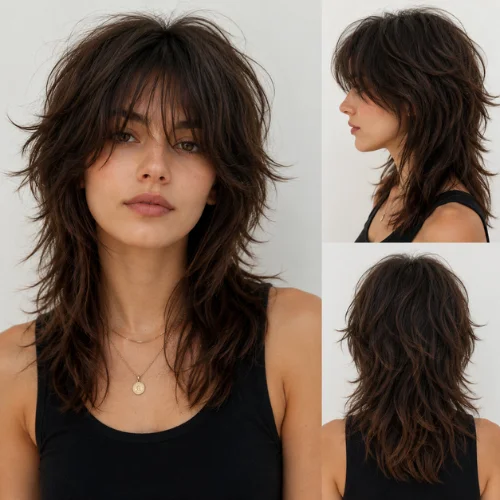
The wolf cut is a hybrid hairstyle that combines the choppy, face-framing layers of a shag with the long, tapered back of a mullet. Think of it as the lovechild of these two retro styles, updated for modern tastes.
The defining features of a wolf cut include heavy layering. Throughout, volume is concentrated at the crown, with shorter pieces around the face and longer strands cascading down the back. This combination creates a textured, wild look that mimics the wispy fur of a wolf, hence the name.
Unlike a traditional layered cut, the wolf cut is intentionally messy. Stylists often use razors or texturizing shears to create choppy ends rather than smooth, blunt lines. This gives the hair movement and body without requiring much daily effort.
The wolf cut works because it’s adaptable. You can go short or long, curly or straight, subtle or dramatic. It doesn’t demand a specific hair texture or length to look good, which is part of why it’s become so popular across different demographics and style preferences.
Another reason people love this cut is how it grows out. Because the layers are already choppy and irregular, the wolf cut doesn’t develop those awkward in-between stages that plague many other haircuts. It simply gets shaggier, which usually just adds to the appeal.
50 Trendy Wolf Cut Hair Cuts For All Hair Types: You Need to Know
Now let’s dive into the actual styles. We’ve broken these down by category so you can find inspiration based on your gender, hair texture, length preference, or overall vibe.
1. Wolf-Cut Men
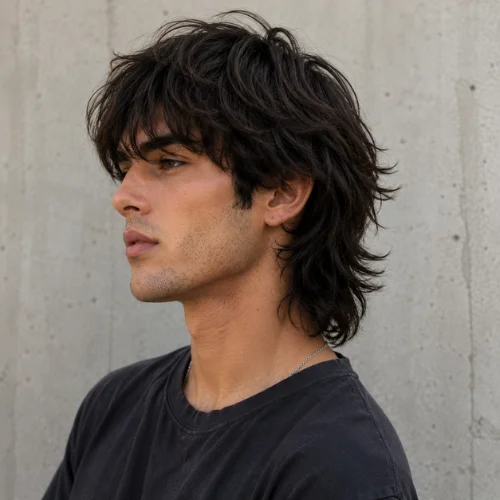
The wolf cut men typically feature shorter layers on top with textured, piece-y ends. Sides are often kept shorter than the crown, creating a natural mohawk-like silhouette when styled upward. It pairs well with stubble and gives an effortlessly rugged appearance.
Styling Tips: Style your wolf cut with a lightweight matte clay or sea salt spray for natural texture and volume. Trim the layers every 6–8 weeks to keep the haircut sharp, balanced, and easy to manage.
2. Untapered Wolf Cut Men
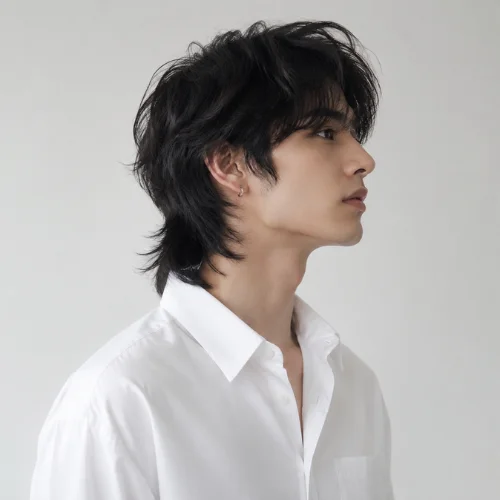
This variation skips the gradual fade on the sides, keeping length more consistent throughout. It gives a fuller, bushier look that some men prefer for a bolder statement. The untapered version tends to work best on thicker hair that can hold shape without sides shrinking away.
3. Textured Wolf Cut Men
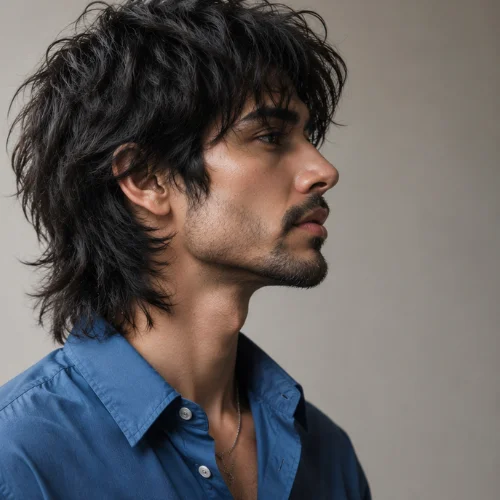
Texture is added through point-cutting or razoring the ends, creating that signature choppy finish. This style photographs beautifully because the layers catch light differently, adding dimension even in a single hair color.
4. Wolf Cut Fade
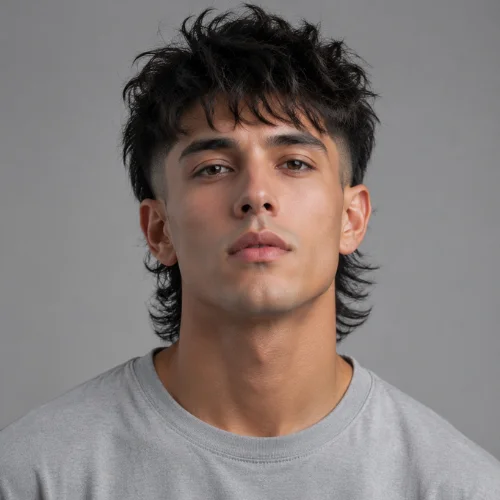
Combining a skin fade on the sides with long, layered top hair creates striking contrast. The fade keeps things neat and low-maintenance near the ears, while the top delivers all the wild, shaggy drama the wolf cut is known for.
5. Curly Wolf Cut Men
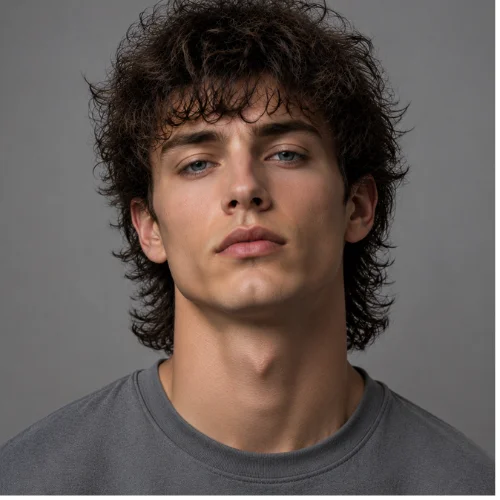
Natural curls add incredible texture to this cut without much styling effort. The layers help distribute curl volume evenly, preventing the dreaded triangle shape that can happen with curly hair left too long without shaping.
Styling Tip: Enhance your natural curls with a lightweight curl cream or mousse, then scrunch your hair gently and let it air-dry or use a diffuser. This helps define the curls while keeping the wolf cut’s layered shape bouncy and full of movement.
6. Layered Wolf Cut Men
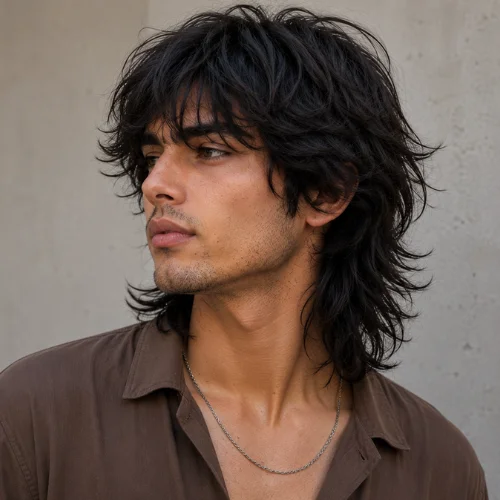
A Layered Cut for Men combines textured layers with a tapered shape for a stylish, modern look. It adds natural volume and movement while remaining easy to style, making it ideal for straight, wavy, or slightly curly hair.
7. Soft Wolf Cut
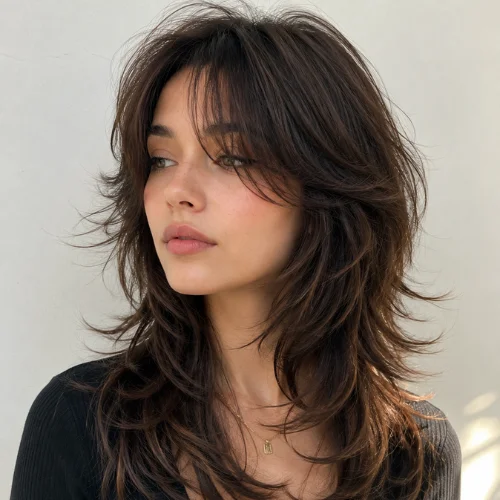
For those wanting a gentler take, the soft cut uses fewer harsh, choppy layers. Instead, layers are blended more smoothly, creating a softer silhouette that’s still textured but less aggressive in appearance.
8. Soft Wolf Cut Men
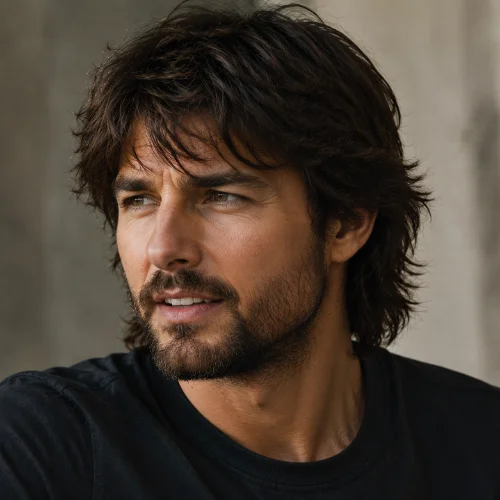
This is the men’s equivalent of the softer approach, often paired with a slight fringe or side-swept top. It suits professional settings better than the more dramatic, spiky versions.
9. Soft Wolf Cut With Curtain Bangs
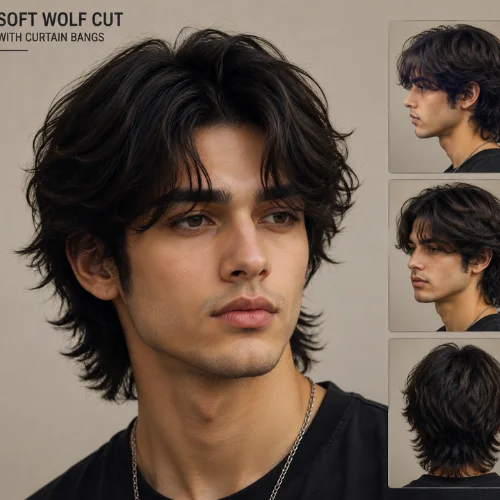
Curtain bangs frame the face beautifully and pair naturally with the cut’s layered structure. This combination is hugely popular right now because it softens the face while keeping that trendy, shaggy energy intact.
10. Wolf Cut Women
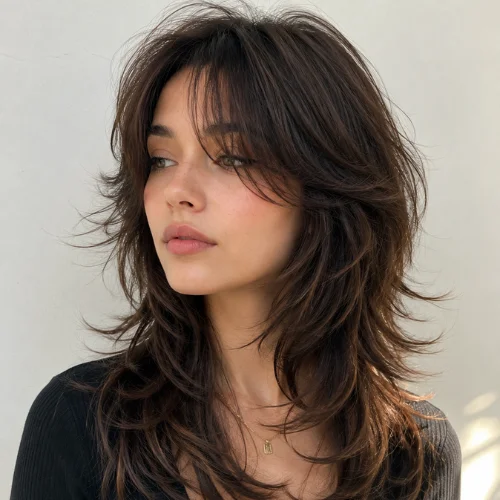
The classic women’s cut emphasizes volume at the crown with cascading layers down to the shoulders or beyond. It’s incredibly versatile and works across most face shapes, which explains its massive popularity.
11. Wolf Cut Women Long Hair
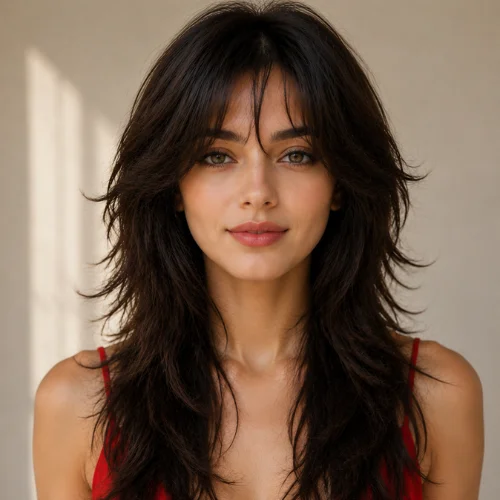
Longer versions keep significant length at the back while still incorporating heavy layering up top. Long Cut for Women works wonderfully for anyone who loves long hair but wants more movement and texture.
12. Short Wolf Cut Women
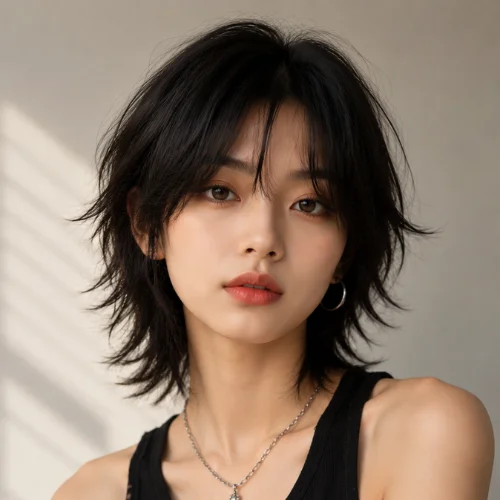
Shorter wolf cuts sit around chin to shoulder length, offering a bold, low-maintenance option that still captures the cut’s signature layered chaos.
13. Short Wolf Cut
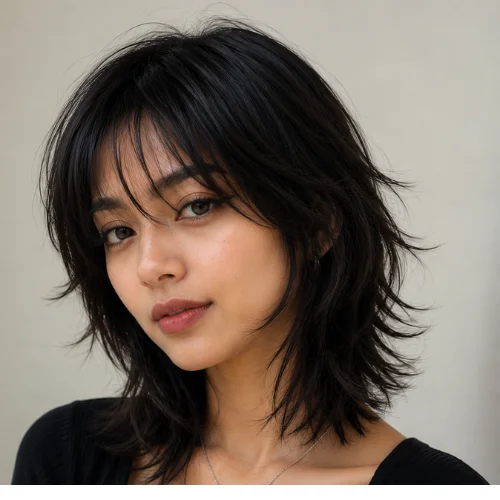
This universal short style works for various hair types and typically features heavier layering to maximize texture despite the reduced length.
14. Wolf Cut Short Hairstyle
A punchier, more editorial take on the short cut, often featuring more dramatic layering and asymmetry for a high-fashion edge.
15. Wolf Cut Hair Short Aesthetic
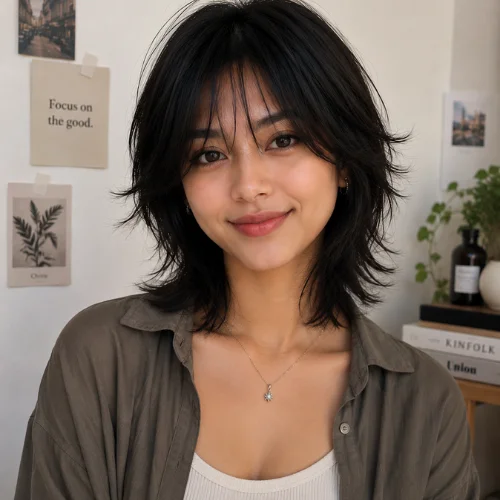
Leaning into the “aesthetic” trend popular on social media, this version emphasizes soft, dreamy layering paired with subtle waves or curls for a romantic vibe.
16. Wolf Cut Medium Hair
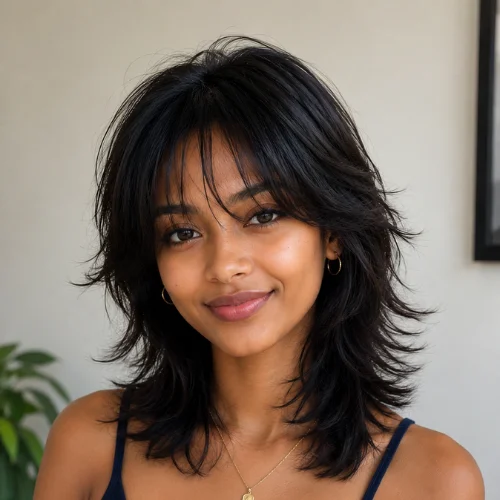
A Wolf Cut for medium hair offers the perfect balance of volume, texture, and easy styling. The layered cut adds movement without sacrificing length, making it a flattering and low-maintenance choice for most hair types.
17. Wolf Cut Asian
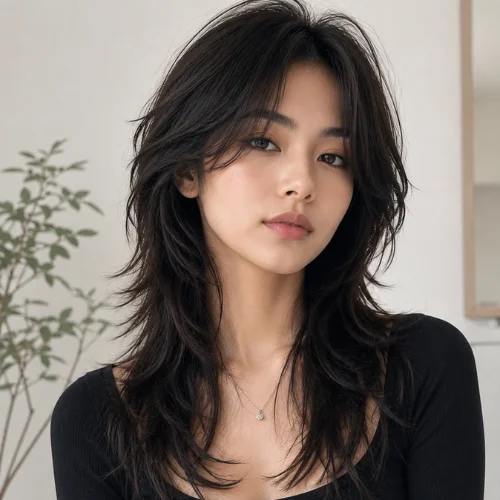
The Asian Wolf Cut features soft, feathered layers that create a light and effortless look. It works especially well with straight hair and gives a modern, face-framing style.
18. Wavy Wolf Cut
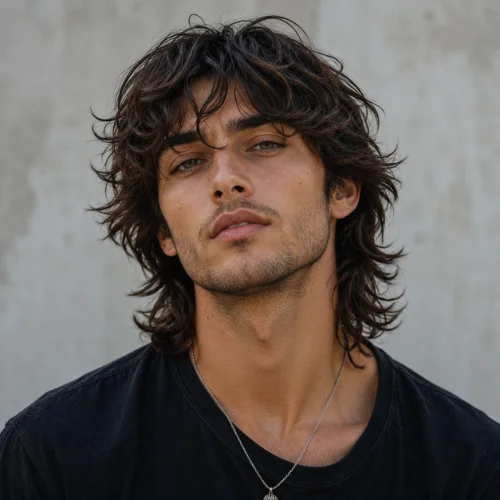
The Wavy Wolf Cut enhances natural waves with textured layers and added movement. It creates a voluminous, relaxed hairstyle that is easy to style every day.
19. Fluffy Wolf Cut
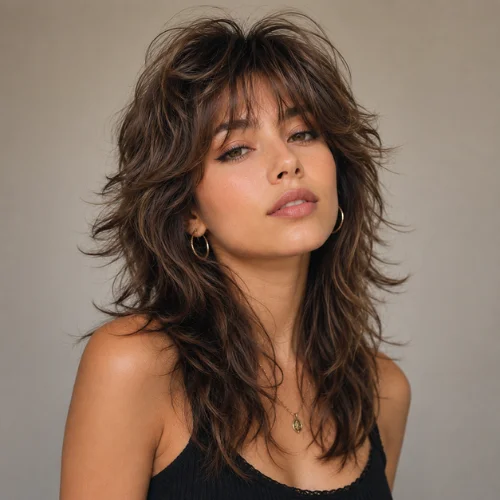
The Fluffy Wolf Cut is designed to maximize volume with airy, layered texture. It gives the hair a soft, full appearance while maintaining the signature wolf cut shape.
20. Low Taper Wolf Cut
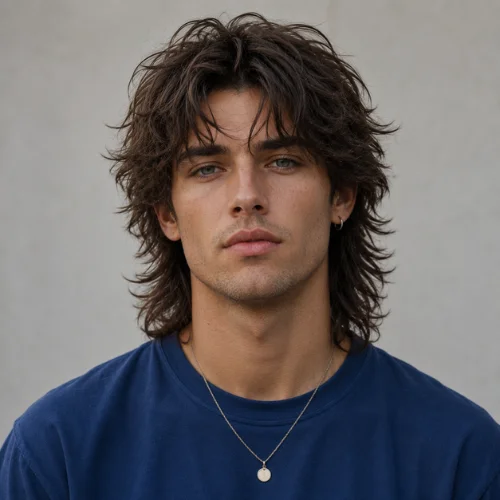
The low-taper wolf cut combines textured layers on top with a clean low taper around the sides. This haircut offers a fresh, modern look with a neat finish.
21. Jellyfish Wolf Cut
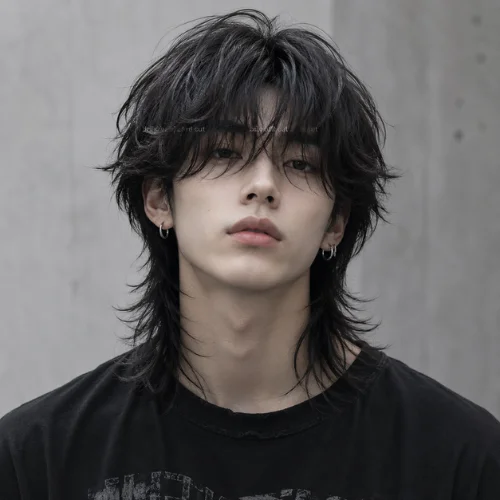
The Jellyfish Wolf Cut blends bold layered sections with the textured shape of a wolf cut. Its unique silhouette creates a fashionable hairstyle for those who want a standout look.
22. 90s Wolf Cut
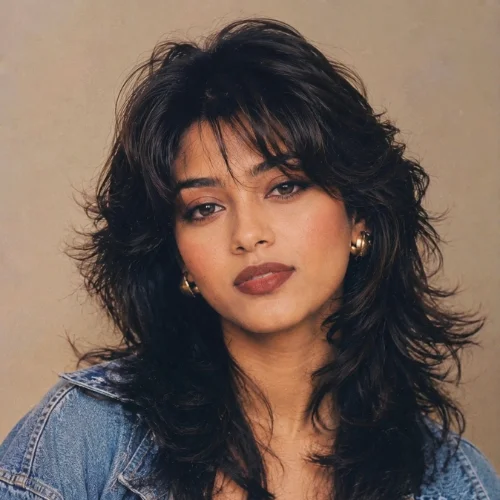
The 90s Wolf Cut blends shaggy layers with soft volume inspired by iconic hairstyles from the 1990s. It features a relaxed, effortlessly cool look making it a great choice for anyone who loves a vintage-inspired yet modern hairstyle.
23. Wolf Cut Long Hair
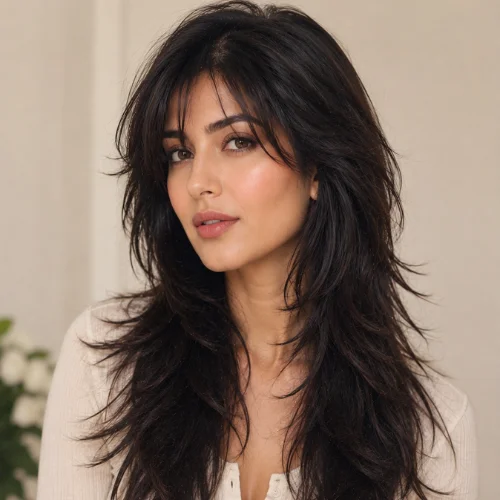
Prioritizing maximum length retention, this style still incorporates enough layering to avoid a flat, one-length appearance.
24. Curly Wolf Cut
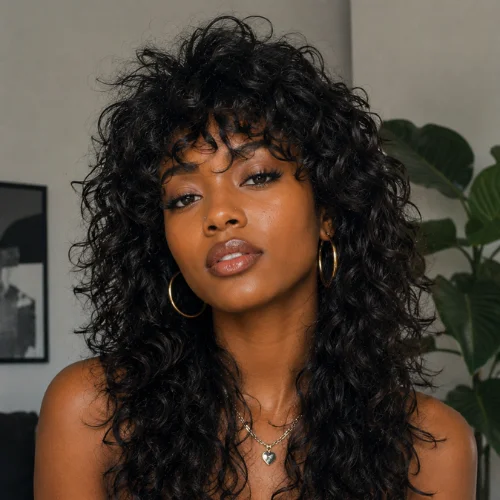
Curls and the wolf cut are a match made in heaven. The natural texture amplifies the layered effect, creating incredible volume and movement without much product.
25. Wolf Cut Curly Hair
This variation focuses specifically on how layers interact with curl patterns, often requiring a stylist experienced in cutting curly hair dry to see true curl shrinkage.
26. Short Curly Wolf Cut
Combining curls with a shorter length creates a bold, voluminous look that practically styles itself thanks to natural curl bounce.
27. Long Curly Wolf Cut
Longer curly versions showcase gorgeous spiral movement throughout, with layers helping to prevent the weight of long curls from pulling out of shape.
28. Shaggy Wolf Cut
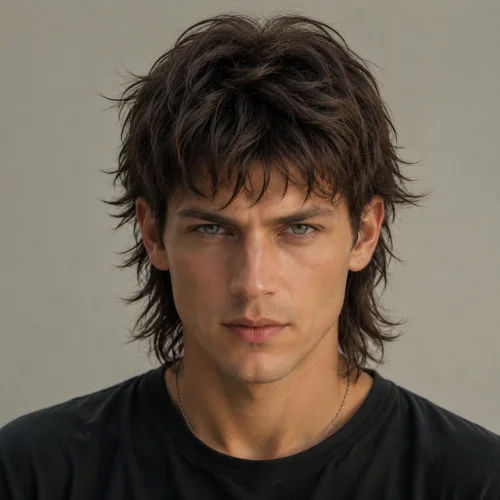
Emphasizing the shag influence more heavily, this style features extra choppy, disconnected layers for maximum texture and a lived-in feel.
29. Shaggy Wolf Cut Men
The men’s shaggy variant often incorporates a longer top with heavy texturizing, paired with shorter, tighter sides for contrast.
30. Shaggy Wolf Cut Women
This feminine take balances shagginess with softer framing pieces around the face, avoiding an overly messy result.
31. Shaggy Wolf Cut Short
Perfect for those wanting maximum texture in minimal length, this style relies heavily on razor cutting to achieve its wild appearance.
32. Shaggy Wolf Cut With Bangs
Adding bangs to the shaggy cut creates a retro-inspired look reminiscent of 70s rock icons, full of attitude and texture.
33. Shaggy Wolf-Cut Curly Hair
This combination maximizes texture through both natural curl pattern and choppy layering, resulting in serious volume and movement.
34. Wolf Cut Mullet
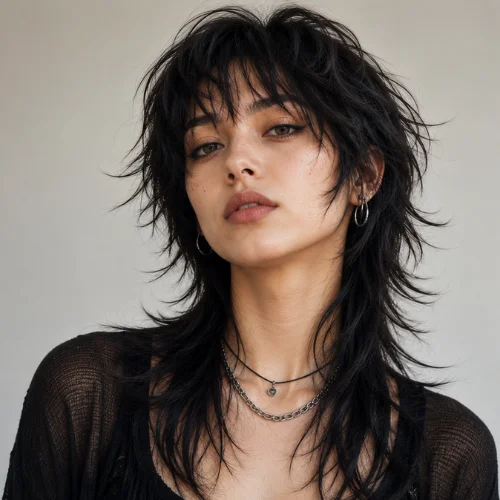
Leaning further into mullet territory, this version features more pronounced length contrast between the front and back sections.
35. Soft Mullet Wolf Cut
A gentler blend between the two styles, this cut smooths out the harsh lines typically associated with traditional mullets while keeping the length disparity.
36. Mullet Wolf-Cut-Hair-Short Aesthetic
This trendy combination has become a favorite on social media, blending shorter, aesthetic-driven styling with mullet-inspired length at the back.
37. Messy Wolf Cut
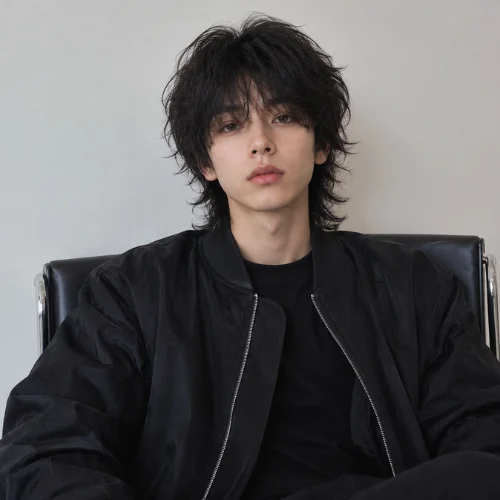
Deliberately tousled and undone, this version thrives on imperfection, making it one of the lowest-maintenance options on this list.
The relaxed layers create effortless texture and volume without requiring a polished finish. It is perfect for anyone who prefers a carefree hairstyle with a naturally cool and edgy appearance.
38. Choppy Wolf Cut
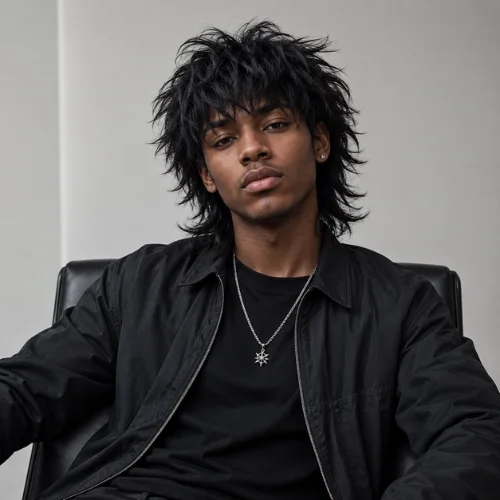
Featuring aggressive, razor-cut layers throughout, the choppy cut delivers maximum texture and edge for those wanting the boldest possible statement.
The uneven layers create a messy, edgy finish with plenty of movement and volume. It is ideal for anyone who wants a daring hairstyle that stands out from traditional layered cuts.
39. Classic Wolf Cut
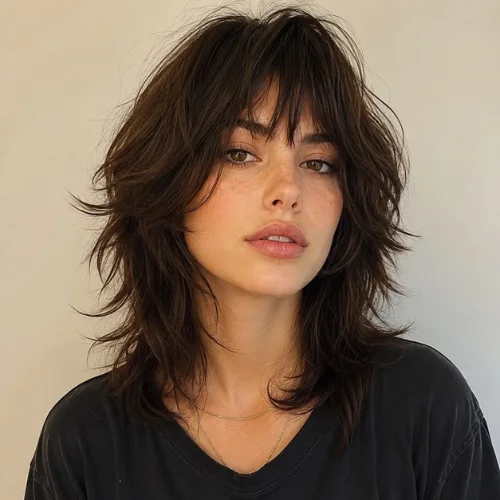
The Classic Wolf Cut blends shaggy layers with soft volume for a timeless, effortless look. It suits most face shapes and hair textures while adding natural movement and texture.
Its balanced layers create a relaxed shape without looking too messy or heavy. This versatile style is easy to personalize with bangs, waves, or extra texture.
40. Japanese Wolf Cut
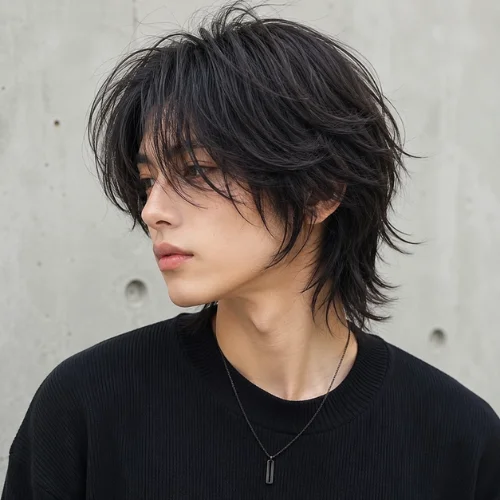
The Japanese Wolf Cut features soft, feathered layers with a lightweight finish. It creates a stylish, modern look that works well with straight or slightly wavy hair.
The delicate layers add natural movement while keeping the overall style soft and polished. It is a great option for anyone who wants an effortless haircut with a refined touch.
41. Mini Wolf Cut
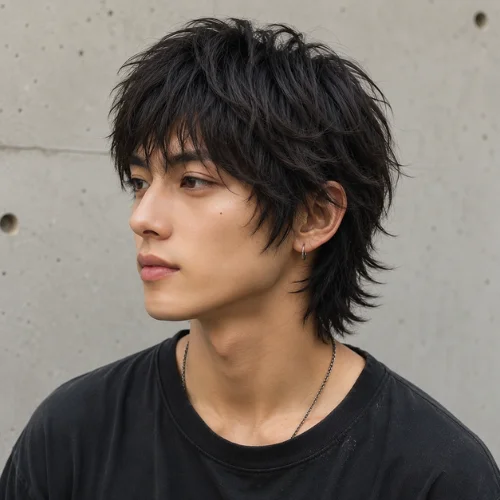
The Mini Wolf Cut is a shorter version of the classic style with textured layers and extra volume. It is easy to maintain and perfect for anyone who loves a fresh, bold haircut.
Its shorter length gives the style a lightweight feel while keeping plenty of movement. The playful layers also make it easy to style for both casual and trendy looks.
42. Mid-Taper Wolf Cut
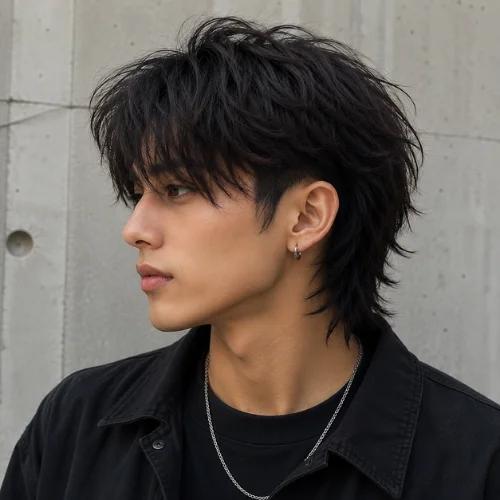
The mid-taper wolf cut combines layered texture on top with a clean mid-taper around the sides. It offers a sharp yet modern appearance that is suitable for everyday styling.
The tapered sides create a neat contrast with the textured layers for a balanced finish. This style works well for anyone who wants a fresh, edgy look without too much effort.
43. Korean Wolf Cut
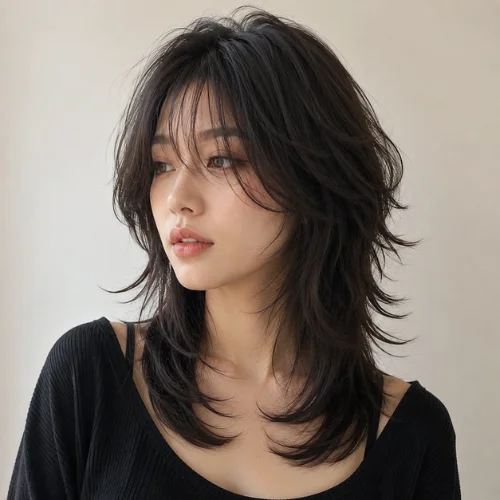
The Korean Wolf Cut is known for soft layers, airy volume, and a natural finish. It creates a youthful look that pairs beautifully with curtain bangs or face-framing layers.
The gentle texture gives the hair a light and effortless appearance. It is perfect for creating a stylish look that feels soft, modern, and easy to maintain.
44. Side Swept Bangs
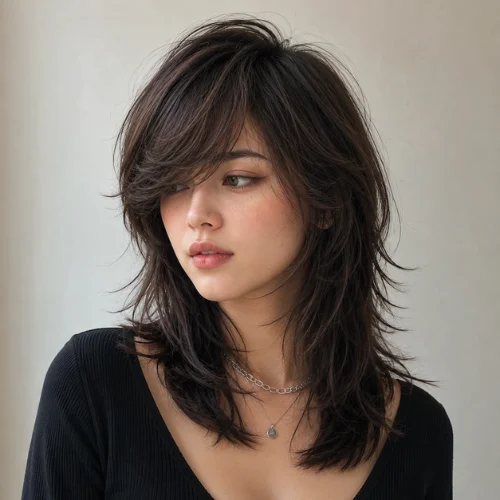
A wolf cut with side-swept bangs adds softness and balances the face beautifully. This style frames the eyes while keeping the layered haircut stylish and easy to wear.
The sweeping bangs create gentle movement and blend naturally with the textured layers. It is a versatile choice for both everyday looks and special occasions.
45. Wolf-Cut Straight Hair
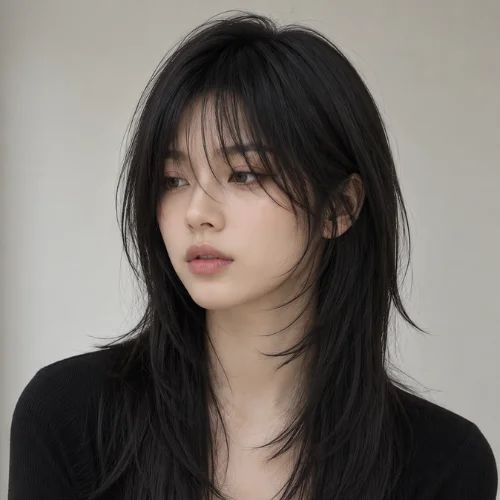
A wolf cut on straight hair creates clean, defined layers with natural movement. It adds volume without making the hair feel heavy, giving a sleek and modern appearance.
The layered shape adds texture and dimension while keeping the hair easy to style. It is a great choice for anyone who wants a fresh, effortless look.
46. Wolf Cut with Curtain Bangs
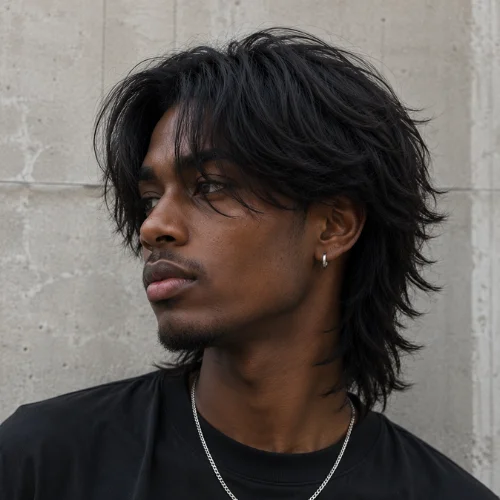
The Wolf Cut with Curtain Bangs combines textured layers with face-framing bangs for a trendy finish. It suits different hair lengths and enhances the overall shape of the haircut.
The curtain bangs softly frame the face while adding natural movement and volume. This style creates an effortless look that feels both modern and versatile.
47. Wolf Cut Bangs
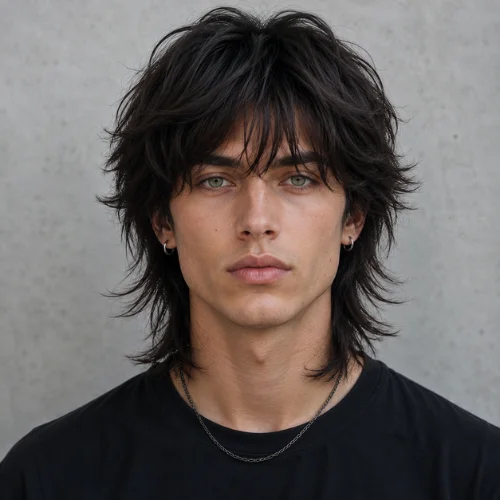
Wolf-cut bangs add extra texture and personality to the layered hairstyle. Whether soft or bold, they create a balanced look that highlights your facial features.
They also frame the face beautifully and make the haircut feel more stylish and expressive.
48. Middle-Part Wolf Cut
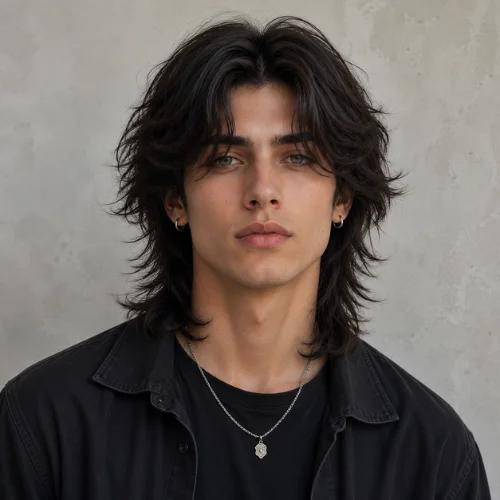
The Middle Part Wolf Cut offers a symmetrical style with layered volume on both sides. It gives a clean, fashionable look that complements both casual and polished outfits.
The center part also frames the face naturally while adding movement and a modern touch to the overall style.
49. Full wolf cut
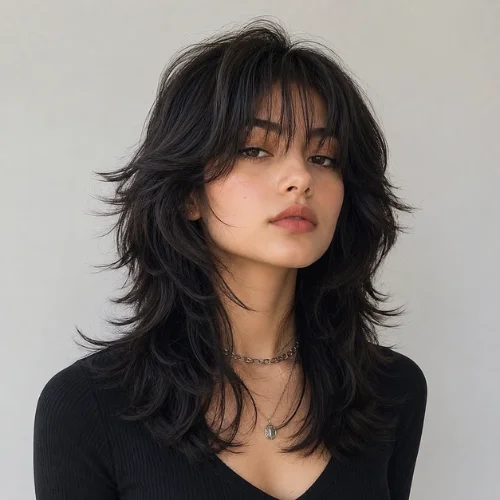
A Full Wolf Cut features dense, layered volume from the crown to the ends, creating a bold and dramatic shape. The fuller layers add body and movement.
while giving the hairstyle a thick, textured appearance. It is a great choice for anyone who wants a statement look with plenty of volume and personality.
50. Wolf cut Mohawk
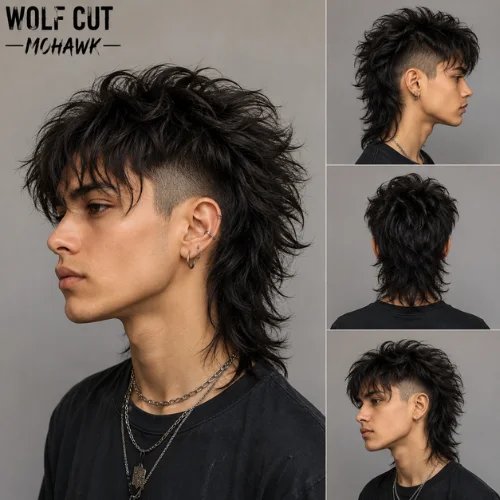
A Wolf Cut Mohawk combines the choppy texture of a wolf cut with a bold, elevated shape through the center. Shorter sides and voluminous layers on top create an edgy, rebellious finish.
This style is ideal for anyone who wants a daring haircut that stands out with strong texture and attitude.
Wolf Cut vs Other Haircuts
Understanding how the wolf cut differs from similar styles helps you communicate clearly with your stylist and set realistic expectations.
Wolf Cut vs Butterfly Cut
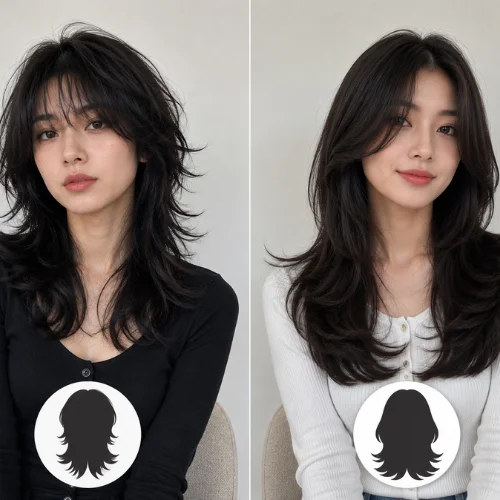
The butterfly cut features soft, face-framing layers that fan out like butterfly wings, with less emphasis on choppy texture. It’s generally softer and more romantic looking. The wolf cut, by contrast, is edgier and more textured, with a wilder, less polished finish.
Wolf Cut vs Mullet
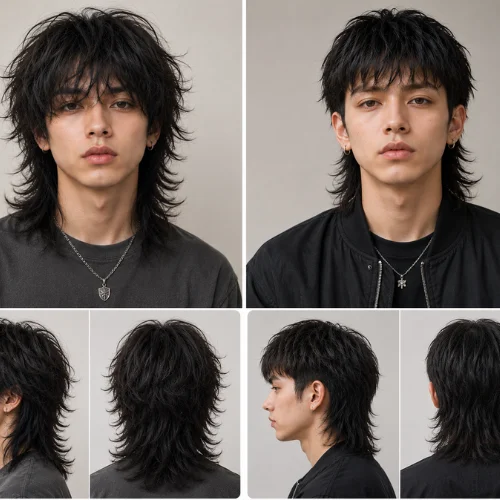
The traditional mullet has a clear, often abrupt distinction between short front sections and long back sections. The wolf cut blends these lengths more gradually through layering, creating a less severe transition while still maintaining that signature length contrast.
Wolf Cut vs Shaggy
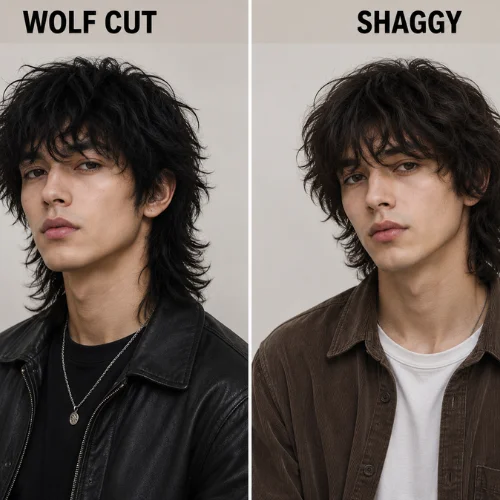
Shaggy cuts focus primarily on layering throughout the hair without necessarily incorporating the length disparity that defines the wolf cut. The wolf cut essentially takes shaggy layering and adds mullet-inspired back length for extra drama.
Hush Cut vs Wolf Cut
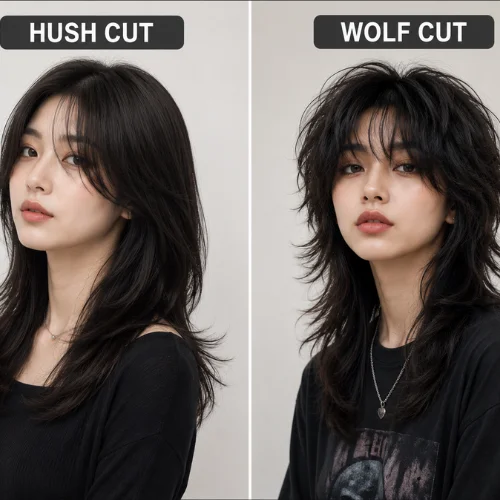
The hush cut is a softer, more subtle variation that emerged as a gentler alternative to the wolf cut’s boldness. It features less dramatic layering and a more blended, wearable finish suited for those wanting texture without commitment to an edgier look.
Wolf Cut Hair Color Ideas
Color can completely transform how your layered cut read visually. Here are some popular options.
Blonde Wolf Cut
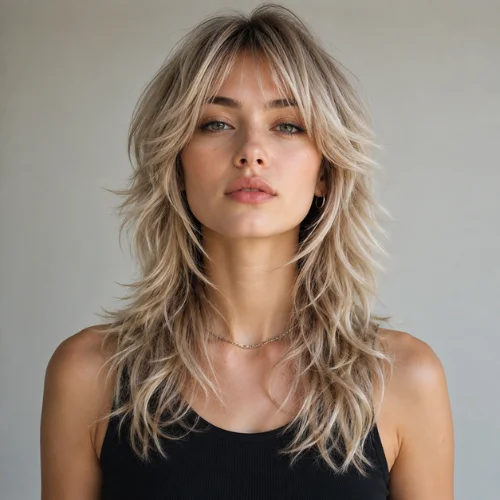
Blonde shades, whether platinum, honey, or golden, enhance every layer by creating natural-looking dimension. Highlights and lowlights work particularly well with this cut’s textured structure.
Black Wolf Cut
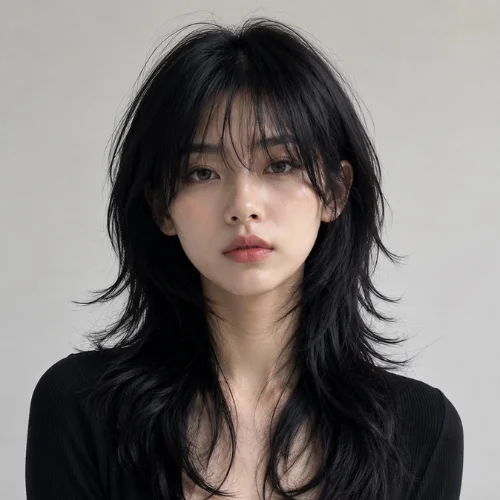
Deep black hair creates a sleek, dramatic backdrop for the wolf cut’s choppy layers, emphasizing shape and movement through contrast and shine.
Wolf Cut Black Hair
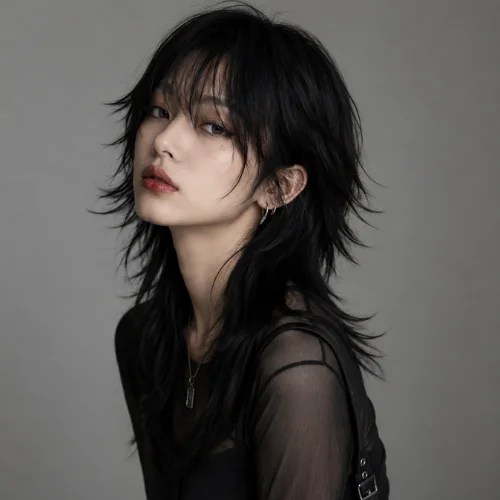
Similar to the above, this pairing showcases the cut’s structural details beautifully, especially under good lighting where layers catch subtle highlights.
Red Wolf Cut
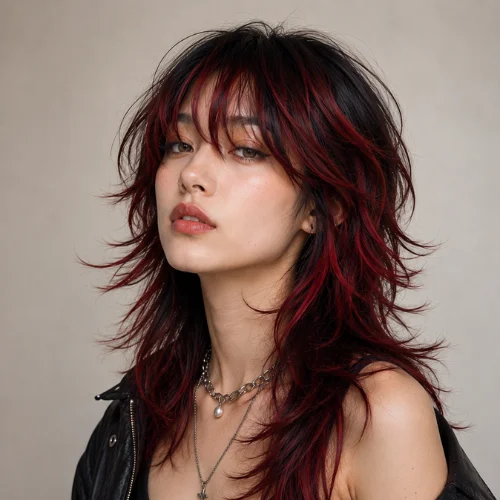
Red tones, from copper to auburn to vibrant cherry, add warmth and boldness. This color choice tends to make the haircut feel even more fiery and confident.
Wolf Cut with Red Highlights
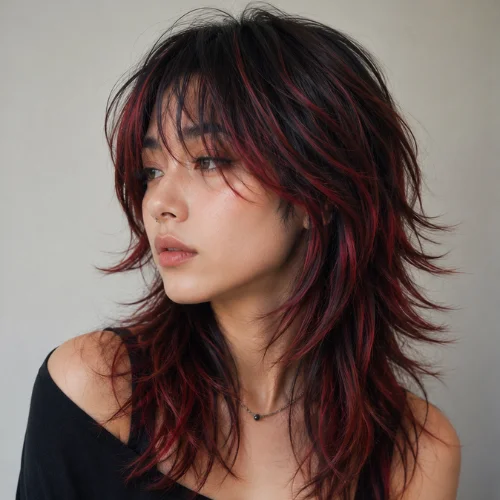
Rather than committing to full red, subtle red highlights woven through the layers add pops of color that catch light beautifully as hair moves.
Wolf Cut with Highlights
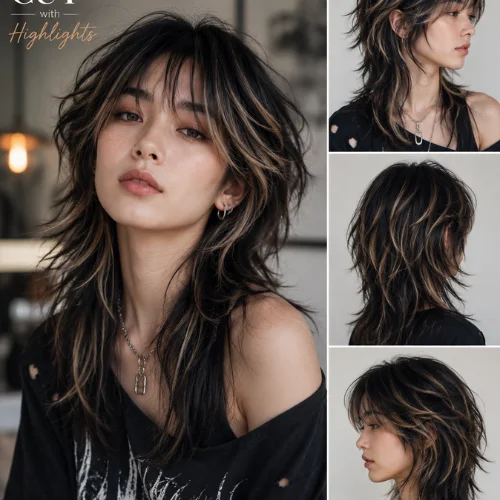
Traditional highlights, whether balayage or foiled, enhance the dimensional quality of the layers, making the cut’s texture even more apparent.
Calico Hair Wolf Cut
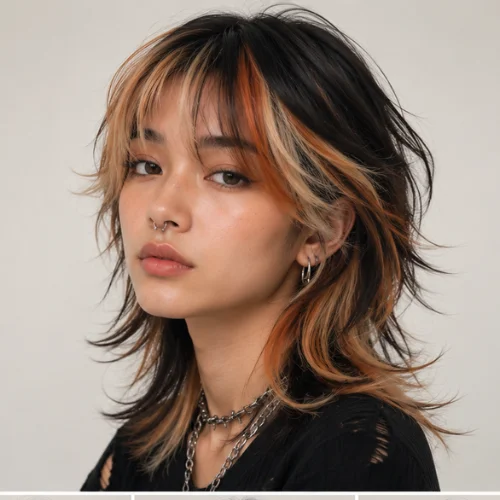
This trendy multi-tonal color technique blends several shades, often orange, black, and white or blonde, creating a playful, cat-inspired palette that pairs beautifully with the haircut’s wild aesthetic.
Top Wolf Cut Hairstyles Everyone Needs to Try
Beyond the basics, these variations offer unique twists worth exploring.
Pixie Wolf Cut
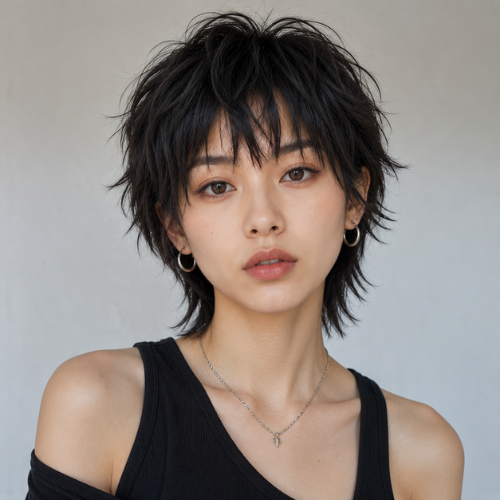
Combining pixie cut shortness with haircut layering creates a bold, gender-fluid style full of texture and attitude.
Wolf Cut Bob
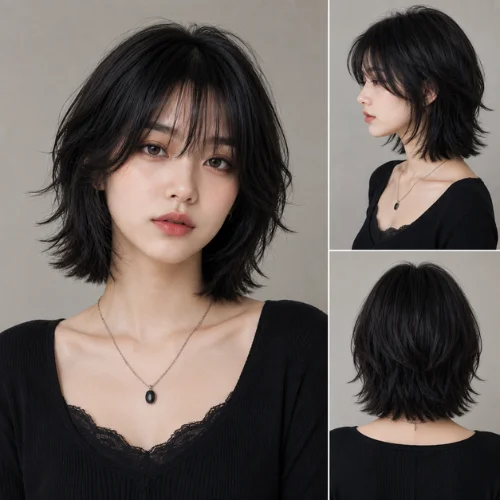
This bob-length variation keeps things chin- to shoulder-length while incorporating heavy layers for added movement and shape.
Bixie Wolf Cut
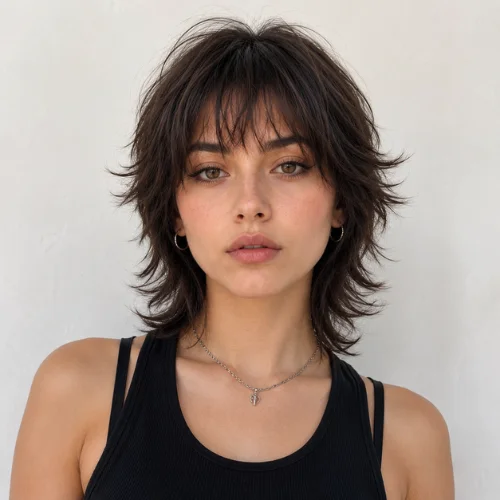
The bixie, a bob-pixie hybrid, gets extra texture and edge when combined with wolf cut principles, resulting in a distinctly modern silhouette.
Grunge Wolf Cut
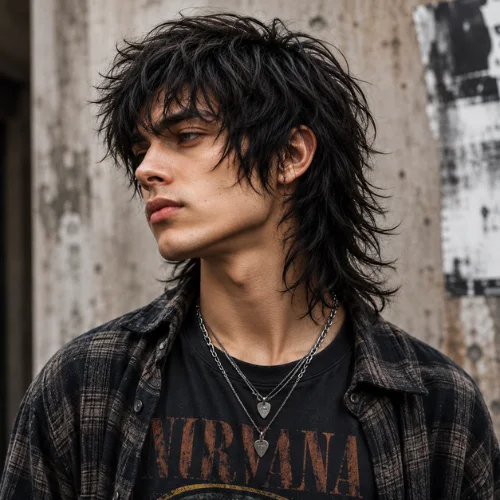
Inspired by 90s grunge aesthetics, this version embraces messy, unkempt styling and often pairs with darker, moodier color choices.
Goth Wolf Cut
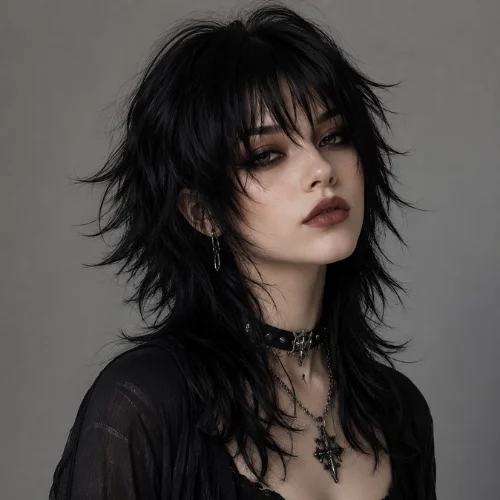
Typically paired with jet black hair and dramatic styling, this version leans into darker, edgier aesthetics for a striking overall look.
Emo Wolf Cut
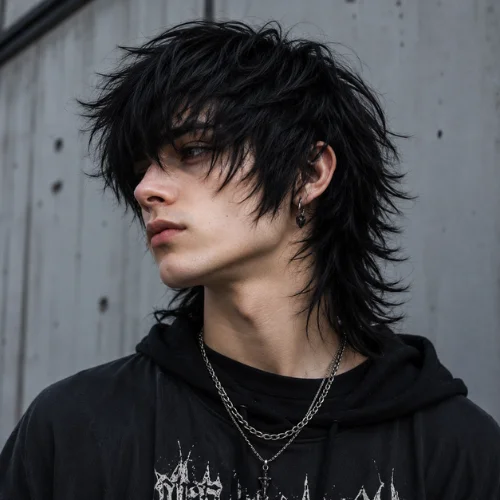
Reminiscent of 2000s emo culture, this style often features heavy side-swept bangs combined with choppy layers throughout.
Cute Wolf Cut
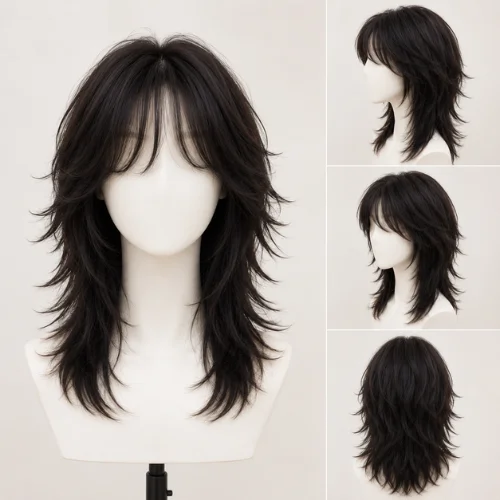
A softer, more approachable take, this version balances texture with gentler layering for a playful, youthful appearance.
Tapered Wolf Cut
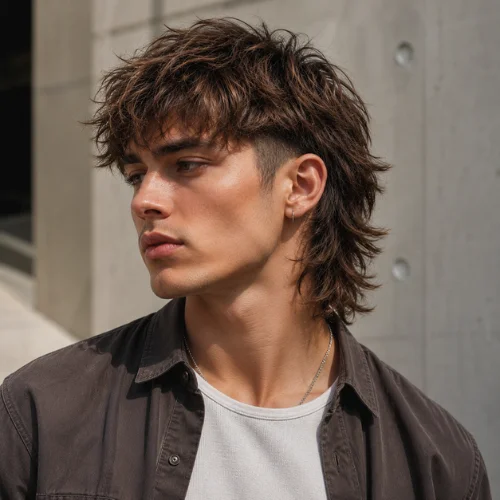
Featuring a gradual taper on the sides that blends into longer top layers, this style offers a cleaner, more structured take on the classic cut.
Wolf Cut Mark
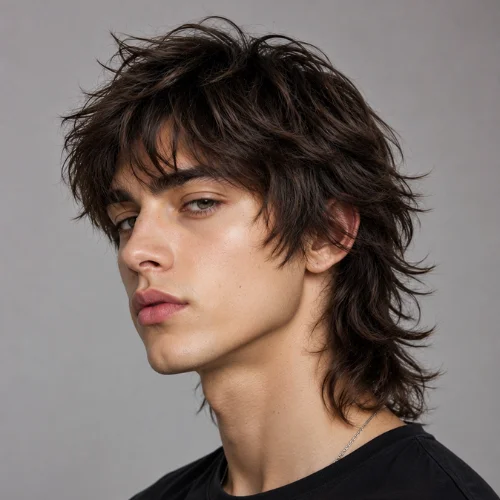
While spelling varies across regions, this generally refers to distinctive layering patterns or “marks” left by heavy texturizing techniques.
Wolf Cut Hombre
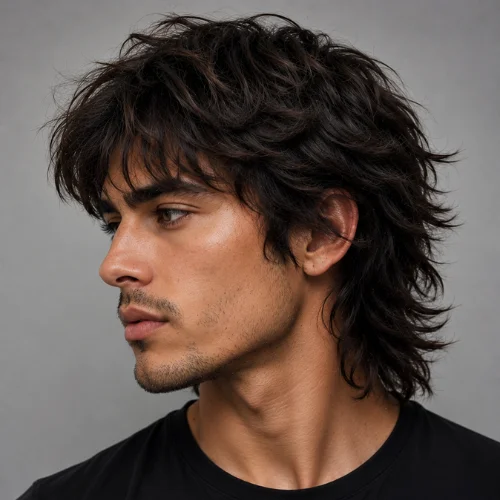
The Spanish-language term for the men’s cut, popular in searches from Spanish-speaking regions looking for this trending style.
Wolf Cut Mujer
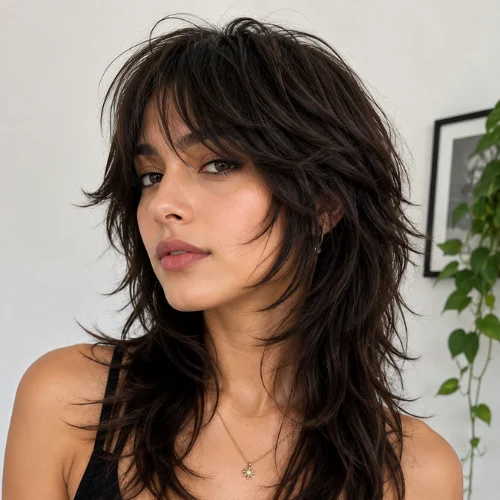
The Spanish term for the women’s cut, reflecting the style’s global popularity across different languages and cultures.
Wolf Cut with Undercut
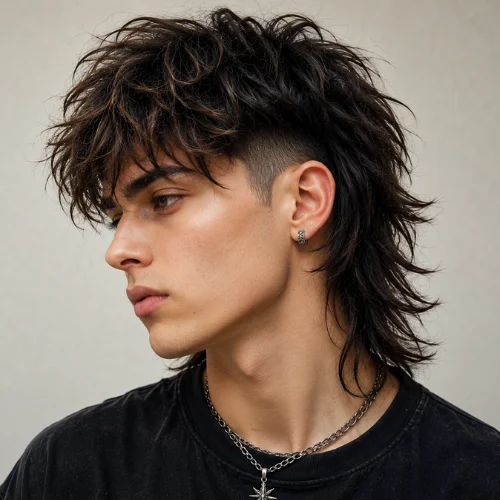
Adding an undercut beneath the longer top layers creates dramatic contrast and reduces bulk, particularly useful for those with thick hair.
Waterfall Wolf Cut
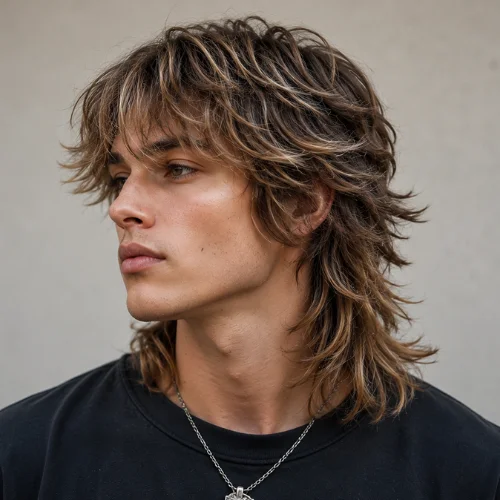
This variation features cascading layers that flow like a waterfall from crown to ends, emphasizing smooth movement and dimension.
Afro Wolf Cut
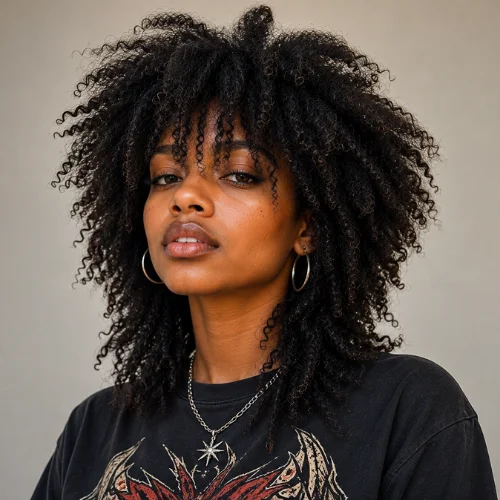
Adapted specifically for natural Afro-textured hair, this version uses layering techniques suited to coily hair patterns, creating shape without compromising natural texture.
Wolf Cut Dreads
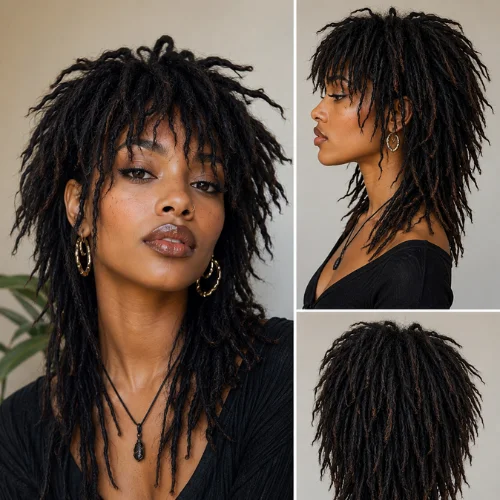
Incorporating dreadlocks into wolf cut structure, this style layers locs at different lengths to mimic the classic silhouette.
Wolf Cut Locs
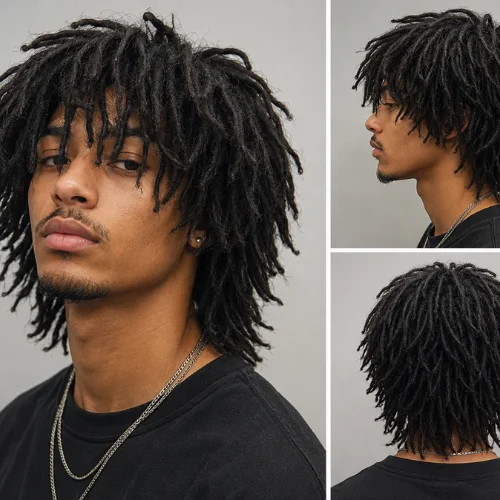
Similar to above, this focuses specifically on styling locs to achieve the wolf cut’s characteristic volume and shape.
Wolf Cut Braids
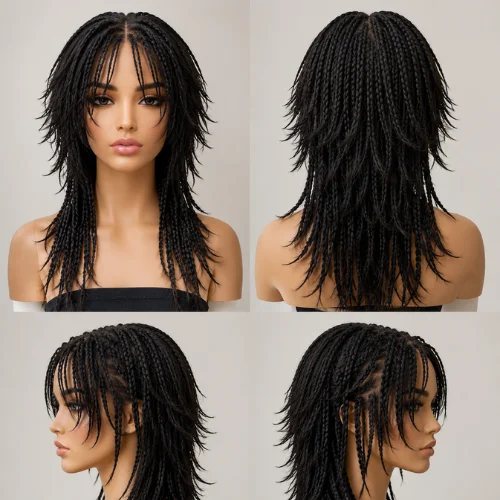
Braided styles inspired by wolf cut layering create texture and dimension through strategic braid placement and length variation.
Wolf Cut Wig
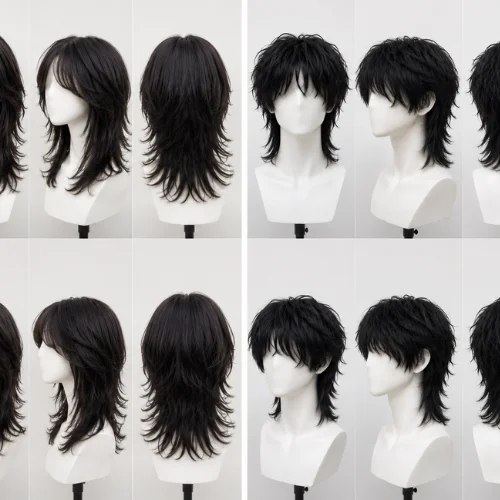
For those wanting to test the style before committing, wolf-cut wigs offer a low-risk way to experiment with this trendy look.
Wolf-cut perm
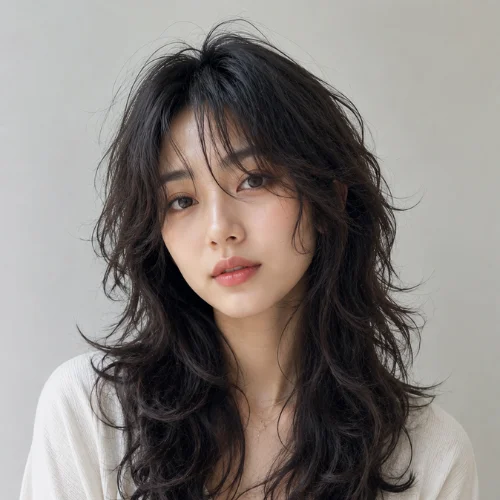
Adding a perm to straight hair replicates natural curl texture, enhancing the wolf cut’s volume and movement artificially.
Wolf Cut Side Part
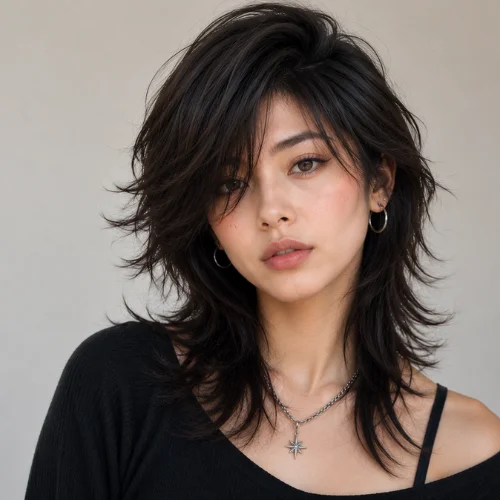
Styling the top layers with a deep side part adds asymmetry and a slightly more polished finish to the classic wolf cut silhouette.
Wolf Cut Tutorial
Step-by-Step Wolf Cut at Home
Here are the following steps you can try at your home.
Step 1: Divide Your Hair into Two Sections
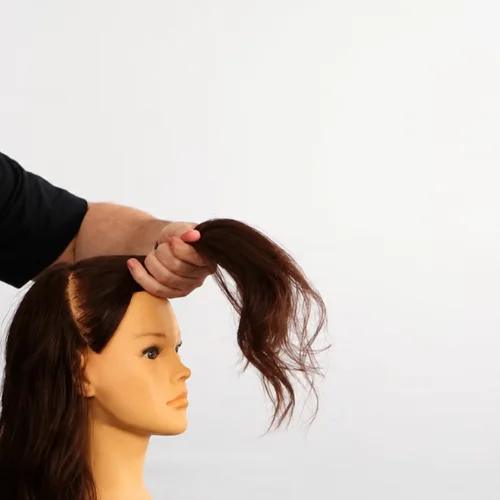
Part your hair from the highest point of your head to just in front of both ears. Comb the front section forward and secure it with a hair tie.
Step 2: Bring the Front Hair Forward
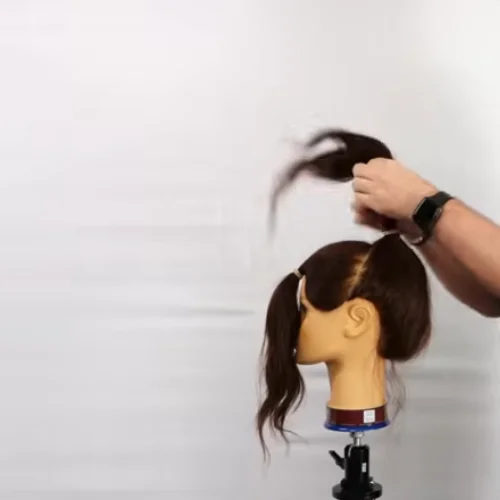
Pull the front ponytail toward your forehead instead of the top of your head. This creates the short, face-framing layers of a wolf cut.
Step 3: Trim the Front Section
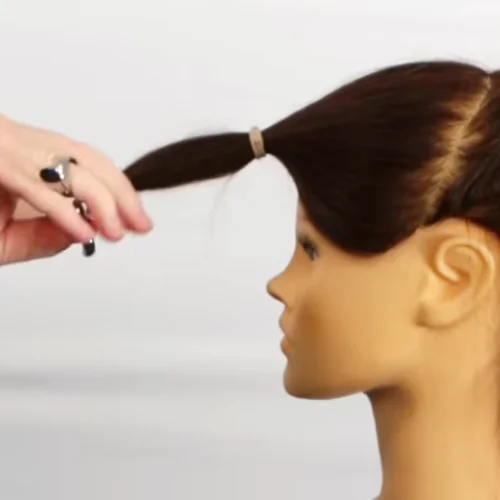
Hold the ponytail straight out and cut to your desired length. Start with a small trim since you can always shorten it later.
Step 4: Lift the Back Section
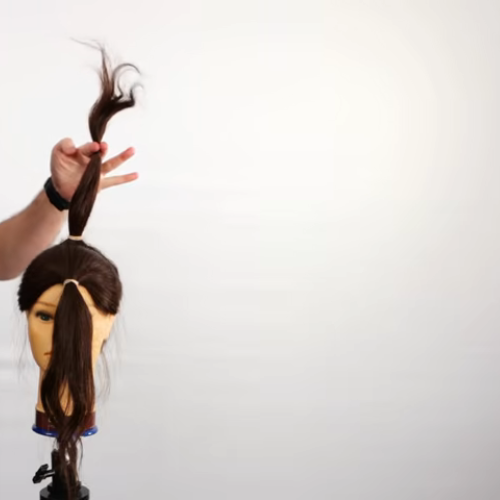
Release the back hair and comb it straight up toward the ceiling. This helps create even layers across the back.
Step 5: Cut the Back Layers
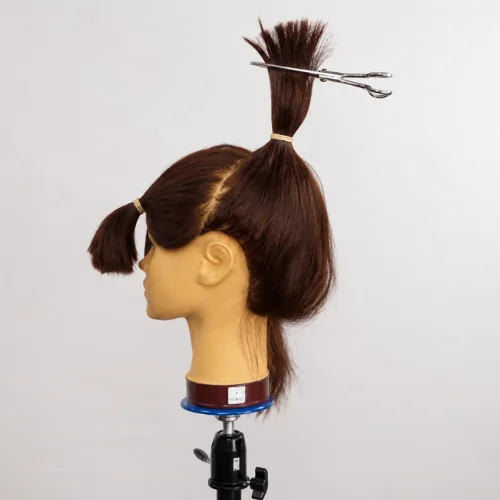
Trim a small amount from the back section while keeping the lower layers longer. This adds movement without removing too much length.
Step 6: Soften the Ends
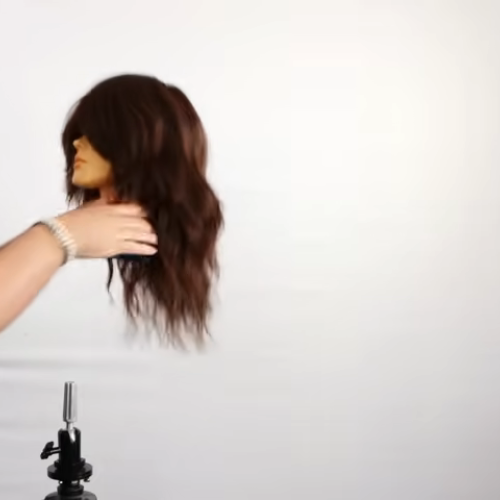
Use thinning or texturizing scissors to soften the edges. If you have regular scissors, make small point cuts for a natural finish.
Step 7: Shake Out Your Hair
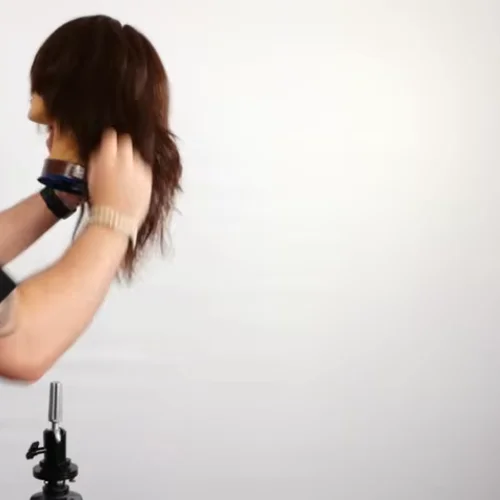
Remove the hair tie and gently shake your hair. The layers will fall into place, revealing the haircut shape
Step 8: Make Final Adjustments
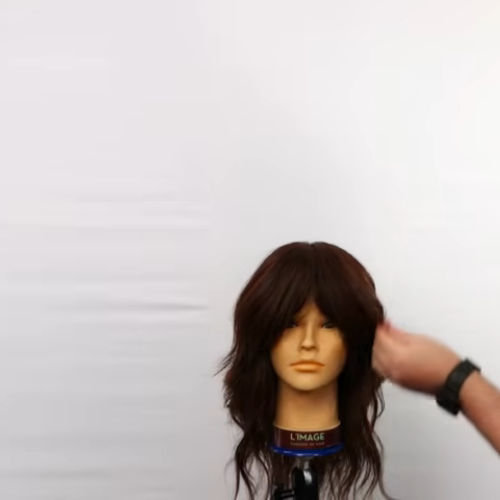
Check your haircut from every angle and trim any uneven spots. Make only small adjustments to avoid overcutting.
Final Result
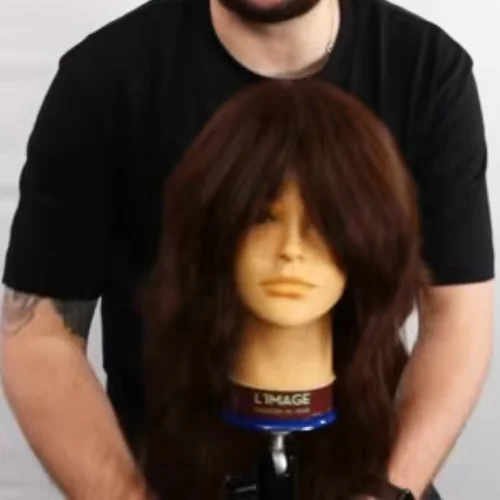
Style your haircut with a blow dryer or texturizing spray for extra volume. The finished look should be soft, layered, and full of movement.
How to Style a Wolf Cut
Step 1: Apply a Texturizing Product
Start with damp hair and apply a lightweight mousse or texturizing spray from roots to ends. This helps define the layers and adds natural movement to your haircut.
Step 2: Blow-Dry for Volume
Flip your head upside down and use a diffuser or blow dryer, focusing on the roots. This creates extra lift at the crown and gives the wolf cut its signature voluminous shape.
Step 3: Add Texture
Once your hair is dry, spray a texturizing or sea salt spray throughout your hair. Gently scrunch the layers with your hands to enhance the choppy, tousled look.
Step 4: Create Loose Waves
Use a flat iron or curling wand to make soft, loose waves. This adds more dimension and highlights the layered structure of your haircut.
Step 5: Style for an Edgy Finish
For a bold, spiky look, apply a small amount of styling wax or strong-hold paste to the ends and crown. Use your fingers to lift and separate sections for extra texture.
Step 6: Finish Without Over-Brushing
Avoid brushing your hair after styling, as it can flatten the layers. Instead, use your fingers to tousle and reshape your haircut throughout the day for a fresh, effortless finish.
How to Maintain a Wolf Cut Gracefully
Step 1: Trim Your Hair Regularly
Get a trim every 6–8 weeks to maintain the shape of your haircut. Focus on the face-framing layers so they stay fresh and well-defined.
Step 2: Deep Condition Weekly
Apply a deep conditioning treatment once a week to keep your hair soft and hydrated. This helps prevent dryness caused by heat styling.
Step 3: Remove Split Ends
Check your hair regularly and trim split ends when needed. Healthy ends keep the layers looking clean, textured, and polished.
Step 4: Keep Your Hair Color Fresh
If your hair is colored, schedule color touch-ups with your regular trims. This keeps your shade vibrant and minimizes visible root growth.
Step 5: Avoid Excessive Heat
Limit the use of hot styling tools or apply a heat protectant before styling. This helps protect the layers from damage and keeps your haircut healthy.
Products for Wolf Cut
The right products make a significant difference in how your haircut looks day to day. Texturizing spray or sea salt spray helps create that lived-in, tousled quality synonymous with this style.
Lightweight mousse adds volume without weighing down layers, particularly useful for fine or thin hair types. For thicker or coarser hair, a curl cream or anti-frizz serum can help define texture while controlling flyaways.
Dry shampoo is your best friend between washes, adding texture and volume while extending time between hair washes. Finally, a flexible-hold hairspray helps lock in your style without creating stiffness that contradicts the haircut’s naturally undone vibe.
What Hair Length Works Best for the Wolf Cut?
The beauty of the haircut lies in its flexibility across lengths. Shoulder-length hair tends to be the sweet spot, offering enough length for dramatic back layers while still allowing plenty of texture up top.
However, both shorter and longer variations work beautifully too. Shorter haircuts, sitting around chin length, create a bold, low-maintenance option perfect for those wanting a dramatic change. Longer versions, extending past the shoulders or even to mid-back, allow for more subtle layering while still capturing the style’s essential shagginess.
Generally, hair needs to be at least chin-length to accommodate the layering necessary for a proper hair cut. Anything shorter risks looking more like a standard pixie or bob without the signature length contrast.
Do You Need a Fringe or Bangs for a Wolf Cut Look?
Bangs aren’t mandatory for a haircut, but they can enhance the overall aesthetic significantly. Curtain bangs, in particular, have become almost synonymous with this style, framing the face while blending naturally into the surrounding layers.
If you prefer a fringe-free look, that’s completely fine too. Many wolf cuts skip bangs entirely, relying instead on shorter face-framing layers to create similar visual interest without a distinct fringe section.
Your choice should depend on your face shape and personal style preferences. Curtain bangs suit most face shapes and soften angular features, while a bang-free haircut offers a slightly more versatile, adaptable style that’s easier to grow out or change later.
Frequently Asked Questions
1. How To Ask Your Barber To Get a Wolf Cut
Bring reference photos showing the specific layering and length you want. Explain that you want heavy layers with more volume at the crown, shorter face-framing pieces, and longer length maintained at the back. Mention whether you want a tapered or untapered finish, and specify if you’re interested in curtain bangs.
2. Why is it Called a Wolf Cut
The style earns its name from its resemblance to a wolf’s fur, wild, layered, and full of texture, particularly around the neck and shoulder area where fur appears thickest on the animal. The choppy, voluminous quality mimics this natural, untamed texture.
3. How to Wolf Cut Your Own Hair
While professional cutting is recommended for best results, adventurous DIYers can start by sectioning hair into crown, sides, and back. Use thinning shears to create texture, cutting into ends at an angle rather than straight across. Take your time, cut conservatively, and remember you can always take off more length later.
4. Where Did the Wolf Cut Originate
The hair cut’s roots trace back to combining elements of the 1970s shag and the 1980s mullet, though its modern popularity exploded through social media platforms like TikTok and Instagram starting around 2021, particularly gaining traction in South Korea before spreading globally.
5. Is the Wolf Cut Right for You
The haircut suits those wanting a low-maintenance, textured style with built-in volume and movement. If you enjoy an edgy, effortless aesthetic and don’t mind some growing-out awkwardness between trims, this cut is likely a great fit.
6. What Face Shape Suits Wolf Cut
Nearly every face shape can rock a haircut with the right customization. Round faces benefit from added height and shorter face-framing pieces, while square faces soften with wispy, textured ends around the jaw. Oval and heart-shaped faces have the most flexibility, working well with almost any haircut variation.
7. Is a Wolf Cut Good for Curly or Wavy Hair?
Absolutely. Curly and wavy hair actually enhances the haircut’s natural texture, adding volume and movement without much additional styling effort. The layering helps distribute curl weight evenly, preventing pyramid-shaped bulk that sometimes occurs with curly hair cut without proper layering technique.
Conclusion
The wolf cut has earned its spot as one of the most versatile, trend-forward hairstyles available today. From curly to straight, short to long, and everything in between, there’s a version of this cut suited to virtually every hair type and personal style.
Whether you’re drawn to the soft, romantic curtain bang variation or the bold, choppy, edgy haircut aesthetic. This style offers enough flexibility to make it truly your own. Bring your favorite reference photos to your next salon appointment.
Discuss your hair type and maintenance preferences with your stylist, and get ready to enjoy one of the most low-maintenance, high-impact haircuts trending right now.